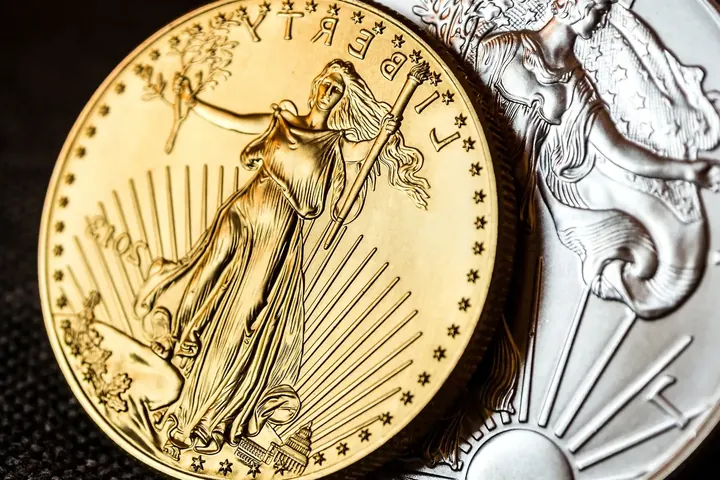
What spot means
Spot is the current market price for one troy ounce of pure gold or silver, set by trading on the global markets. It changes all day. Buyers and dealers quote prices relative to it.
Bullion sells under spot
When you sell a silver bar or a Gold Eagle, the buyer has to sell it on. Their margin comes from the gap between what they pay you and what they can get. That is why bullion offers are a percentage of spot. A buyer claiming to pay well over spot for plain bars is either mistaken or making it up somewhere else in the deal.
Collector coins can sell over spot
Coins that collectors want carry a premium over their metal. The premium depends on date, mint, condition and current demand.
- Pre-1933 U.S. gold, even common dates
- Carson City and scarce silver dollars
- Scarce date cents, nickels and dimes
- Coins in high grades
- Proof and certified coins in demand
How to compare offers
Ask each buyer for the spot price they are using, the weight and purity of each piece and the percentage they are paying. For collector coins, ask what each coin is priced at and why. A written, itemized offer makes the comparison simple.
Why is a buyer's price below the price I see online?
Online spot is the wholesale market price for pure metal. Buyers pay a share of it to cover testing, resale and margin.
Will I see which spot price you are using?
Yes. It is written on every offer.
SellBullion bars and rounds